
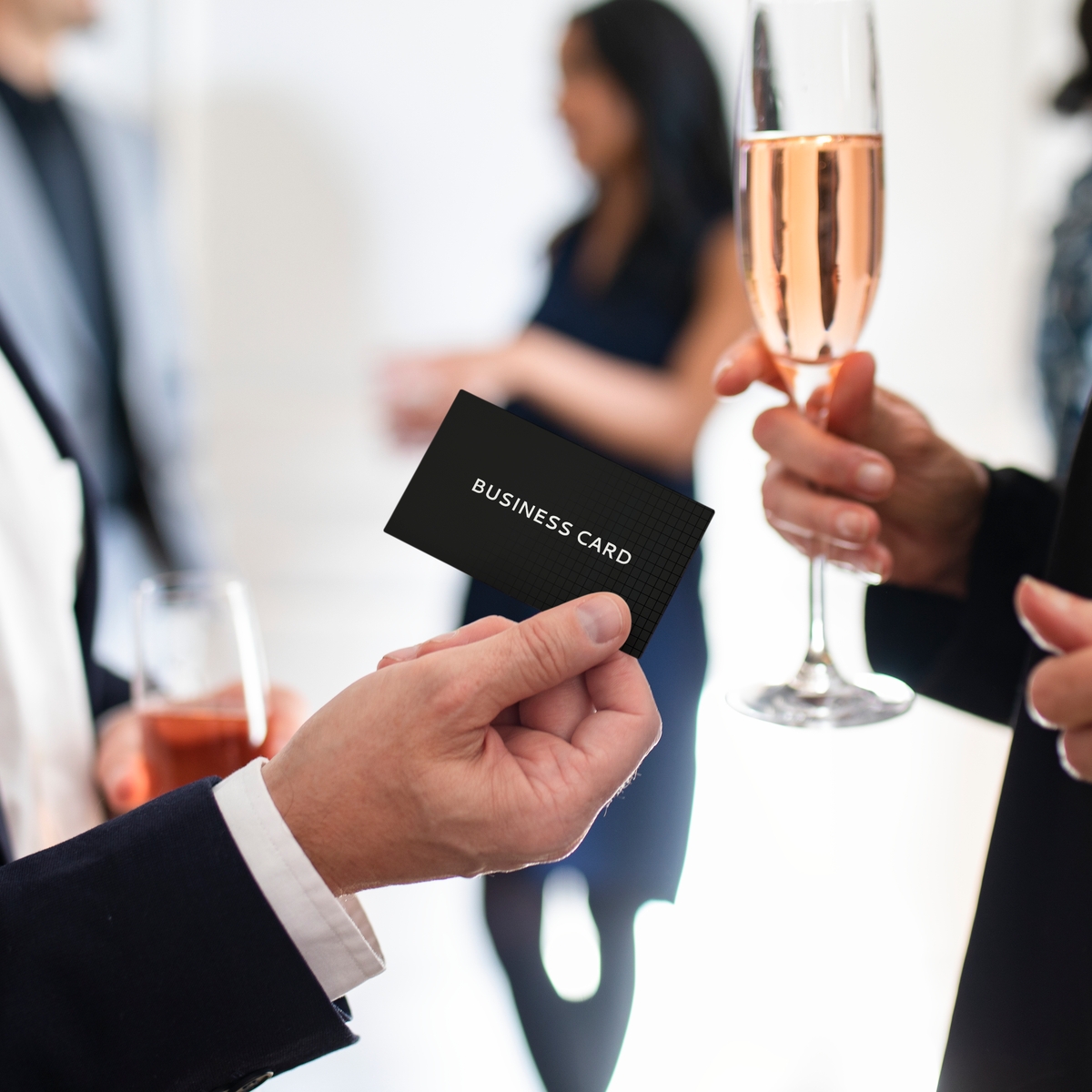
Even in a digital-first world, business cards still matter. They create a natural pause in the interaction, a simple exchange that helps a conversation stick. There’s something about handing over a physical card that feels more deliberate and personal than swapping details on a phone. That tactile moment plays a role in how people remember you, and the fact that business cards are still widely used says a lot about their relevance. The choices you make, paper, finish, and layout, often communicate just as much about your business as the details printed on the card.
Matte or Gloss Finish
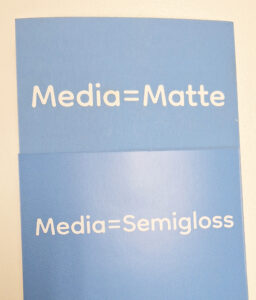
Choosing between matte and gloss isn’t just about looks, it also affects how your card feels, prints, and performs in the real world.
Matte finish
From a printer’s point of view, matte cards absorb light rather than reflect it. This gives them a smooth, soft appearance and makes text easier to read under bright lighting. Matte finishes are ideal for minimal designs, professional services, and brands that want a modern or understated look. Another bonus? They’re easier to write on, which is great if you want people to add notes on the back.
Gloss finish
Gloss cards are coated to reflect light, making colours appear more vibrant and images sharper. Printers often recommend gloss for designs with photos, bold colours, or heavy graphics because the coating enhances contrast and detail. Gloss cards feel sleek and eye-catching, though they can show fingerprints more easily and aren’t as pen-friendly.
Single-Sided or Double-Sided
This choice is all about how much information you want to share and how you want it to be read.
Single-sided business cards
Simple, clean, and cost-effective. Single-sided cards work well if you have minimal contact details or want a strong focus on your logo and branding. They’re also practical if you want space for handwritten notes or appointment times.
Double-sided business cards
Double-sided cards give you room to breathe. You can separate branding from contact details, add a tagline, services list, QR code, or even a small map. From a design perspective, this option allows better balance and hierarchy without overcrowding the front.
Elevate Your Cards with Special Finishes
Want your business card to stand out the moment someone touches it? Special finishes can add texture, shine, and personality.
- Embossing

Embossing raises certain elements like your logo or name, above the surface of the card. It adds a tactile, premium feel that subtly communicates quality and attention to detail.
- Foiling
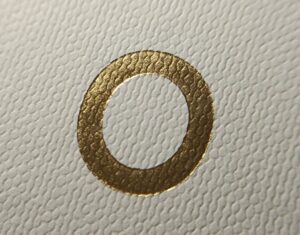
Foil stamping uses metallic or coloured foil (gold, silver, copper, rose gold, and more) to highlight key elements. It’s eye-catching, elegant, and perfect for luxury brands or anyone wanting a touch of glamour.
- Die-Cutting
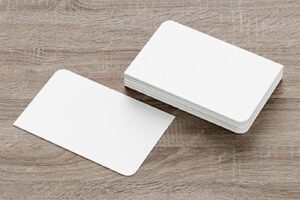
Die-cutting allows your card to be cut into a custom shape or feature unique cut-out elements. Whether it’s rounded corners, a window, or a completely custom silhouette, die-cut cards are memorable and creative.
- Spot UV
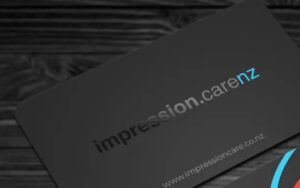
Spot UV applies a high-gloss coating to specific areas of a matte card, creating contrast in both look and feel. It’s a great way to highlight logos, patterns, or text without overwhelming the design.
- Textured Lamination
Textured laminations such as soft-touch, linen, or sand-like finishes, add an extra sensory experience. Soft-touch lamination is especially popular, giving cards a velvety feel that people love to hold onto.
Final Thoughts
Your business card is more than just contact information, it’s a reflection of your brand. Whether you keep it simple or add premium finishes, choosing the right combination of paper, layout, and special effects can leave a lasting impression long after the introduction. Contact us today, our friendly team at CMP is always happy to chat and help you create the perfect business card.